



El Lago tenants awarded compensation for untenable conditions
29/04/2026
In an earlier article (Issue 50, October edition of Outasite Lite) about El Lago Waters Tourist Park we reported on an unsuccessful Development Application to construct a multi-storey apartment complex in the place of the community and the operator’s failure to tend to several repairs issues at the community.
The viability of ‘El Lago’ as a land lease community is still quite precarious as Central Coast Council’s rectification orders have not been complied with and the home owners who applied to the New South Wales Civil and Administrative Tribunal (NCAT) for repairs to be made are still taking action in the Tribunal to enforce those orders.
In this article we cover the Tribunal action launched by some of the tenants who rented villas from the operator, which were far from secure or reasonably fit for habitation and offered little in the way of peace, comfort and quiet enjoyment.
A number of tenants were recently represented by Central Coast Tenants Advice and Advocacy Service (CCTAAS) at NCAT and sought orders for repairs to their villas, rent reductions and compensation. They had been residing at the community for periods of time ranging from 10 months to nearly 4 years. Their applications were heard on separate occasions from October to December 2025.
Due to the appalling living conditions, by October 2025 several tenants opted to vacate their villas in the community ahead of their scheduled NCAT hearing dates. Unfortunately this meant pursuing orders for repairs to the villas was no longer possible. We spoke to one tenant about their experience of living in a villa at El Lago.
Tenants’ Union speaks to a former tenant
Sarah (name changed for privacy) has been a local at The Entrance nearly all of her life. She previously rented a home with her partner of 18 years just streets behind the El Lago Tourist Park. After leaving the relationship Sarah and her youngest child moved a few times until rents at The Entrance became unaffordable.
A few years ago Sarah made the decision to return to their neighbourhood and with some reluctance they moved into the El Lago Waters Tourist Park.
“I was working part time and was applying for lots of places. I just wasn’t getting accepted and there weren’t any other options at the time”.
The accommodation was bleak in contrast to the blissful location opposite Tuggerah Lake, surrounded by beaches and bays. The area had been their home for such a long time.
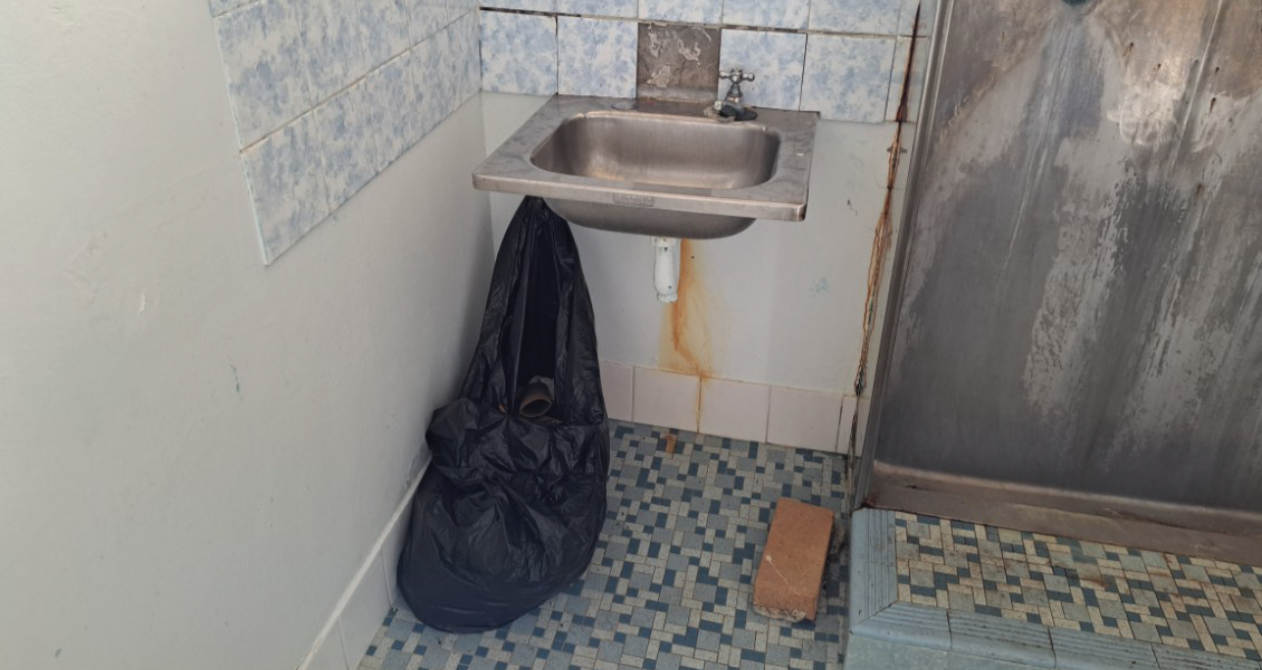
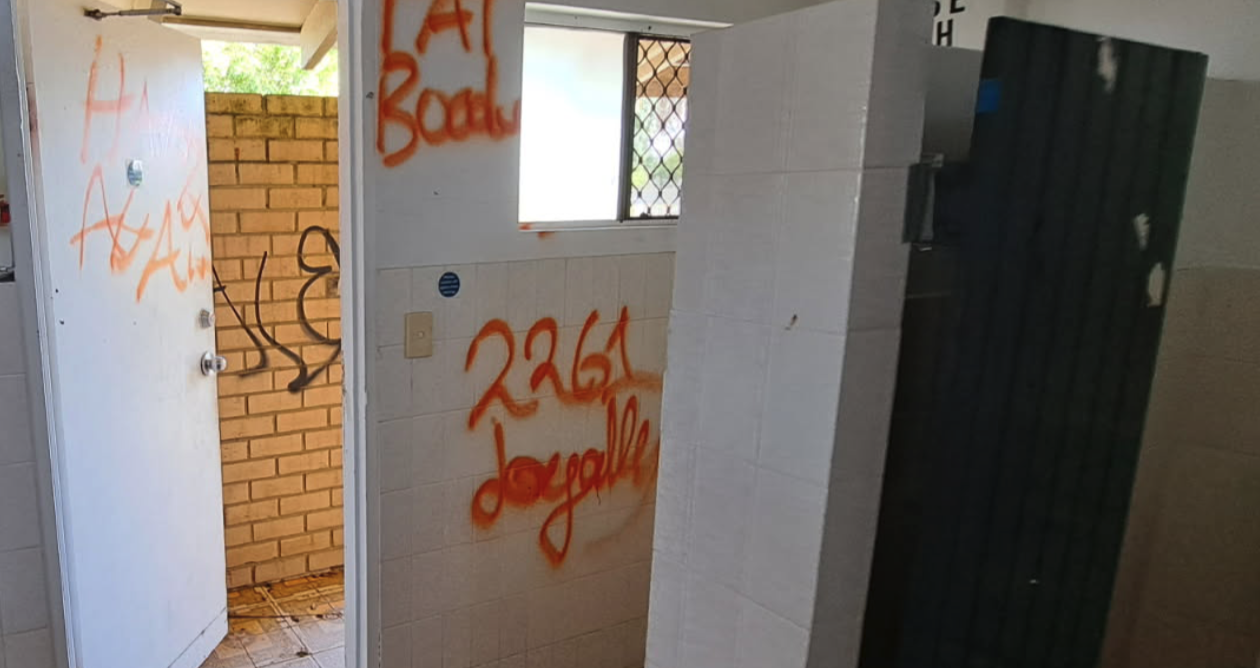
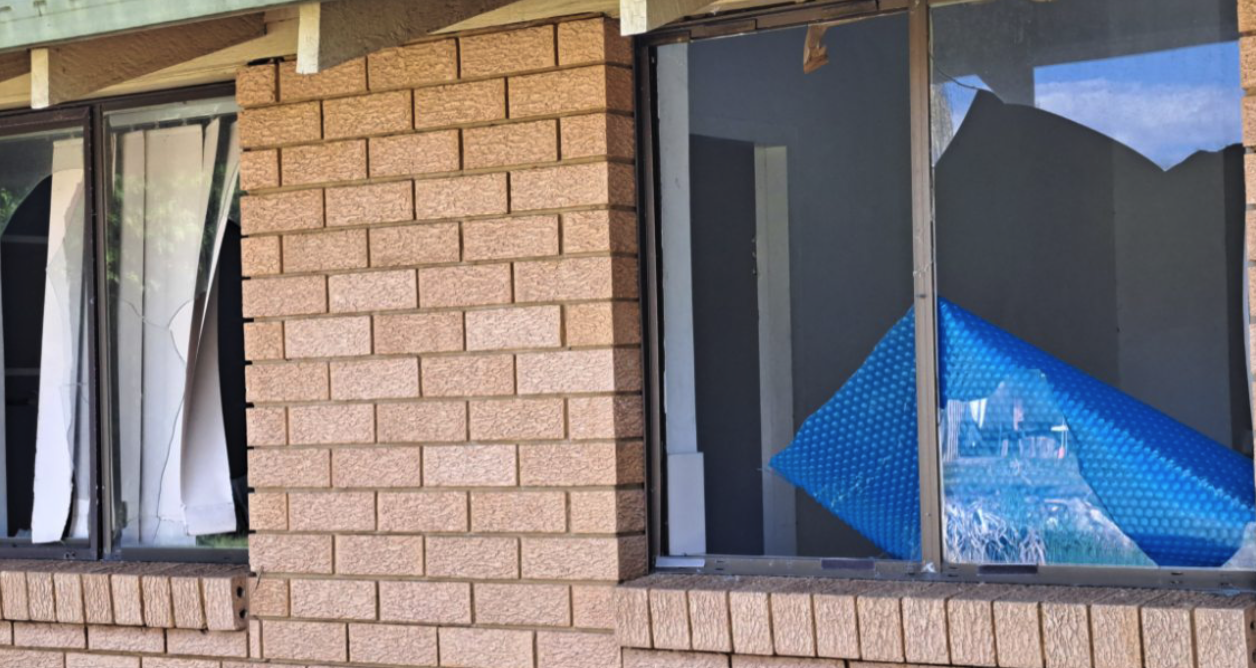
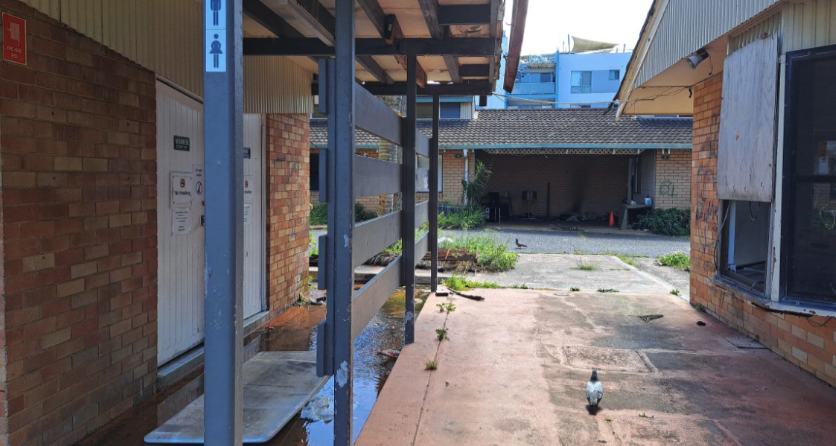
Sarah describes how she rented a villa that didn’t have locks on the entry door and the door was only fit for internal use. There were holes in the walls, kitchen cupboard doors and drawers were falling apart and some window panes and screens were missing. Sarah had frequently asked about repairs being done but the on-site manager did not respond to her requests and the repair issues grew in number over time.
Sarah says she had to divide her efforts between the pressures of day to day life and the increasingly tedious steps she had to take to access basic and essential services in the rental villa when there was no hot water or electricity or a working toilet. She reported that her youngest child who had been living with her went to live with other family members, particularly in light of the growing frequency of trespassers and antisocial behaviour in the community. She struggled to find time or energy in the day to look for a better place to live.
When we spoke to Sarah she recounted occasions where fuses were removed from the villa power box and nothing was done about it. She stated that one neighbour who still had electricity gave her permission to plug into a power point for lighting.
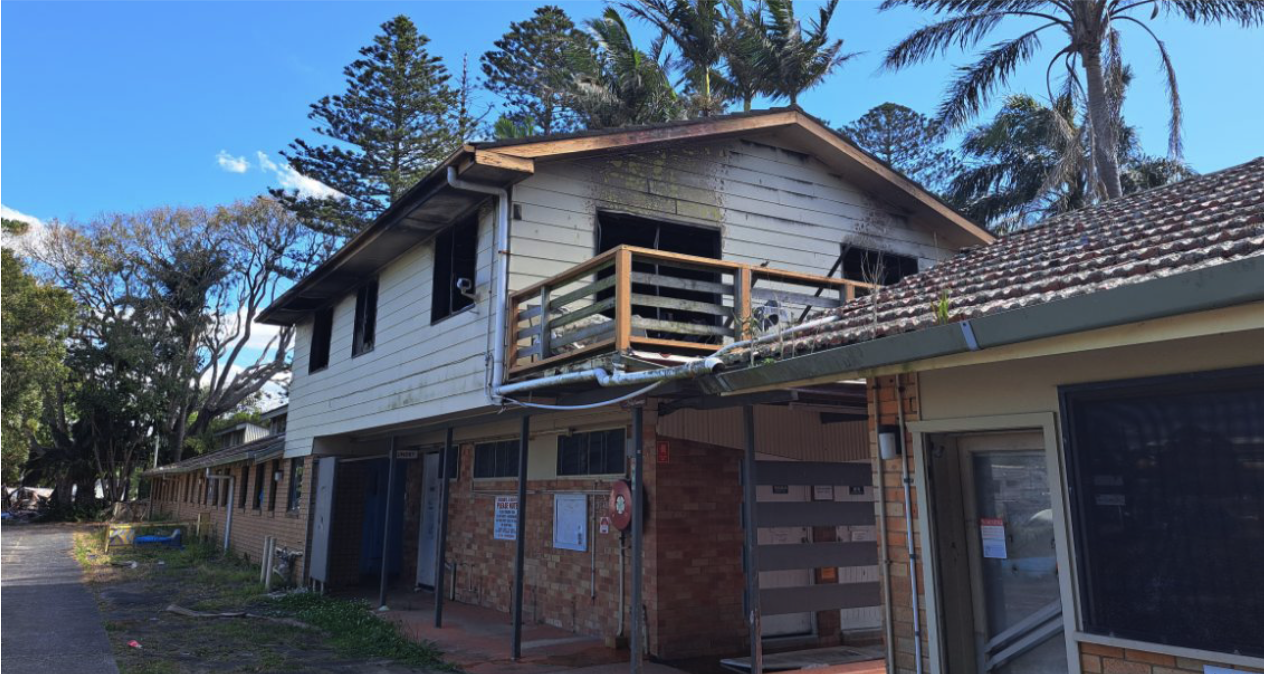
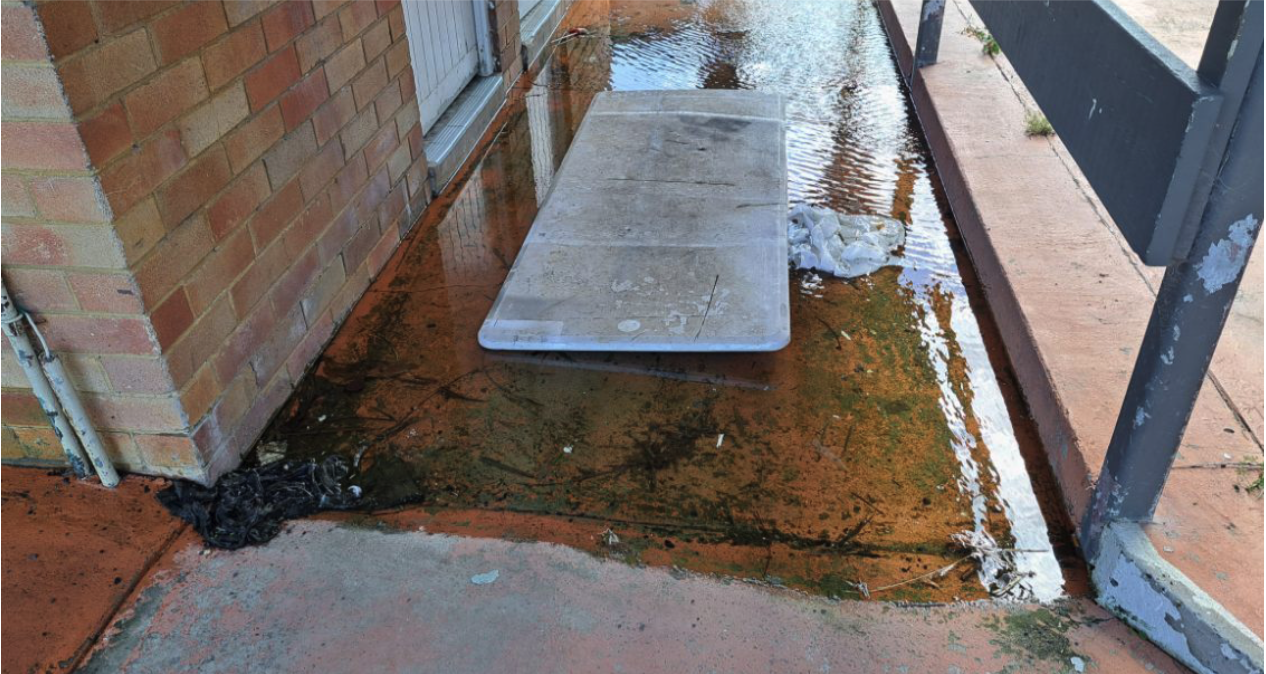
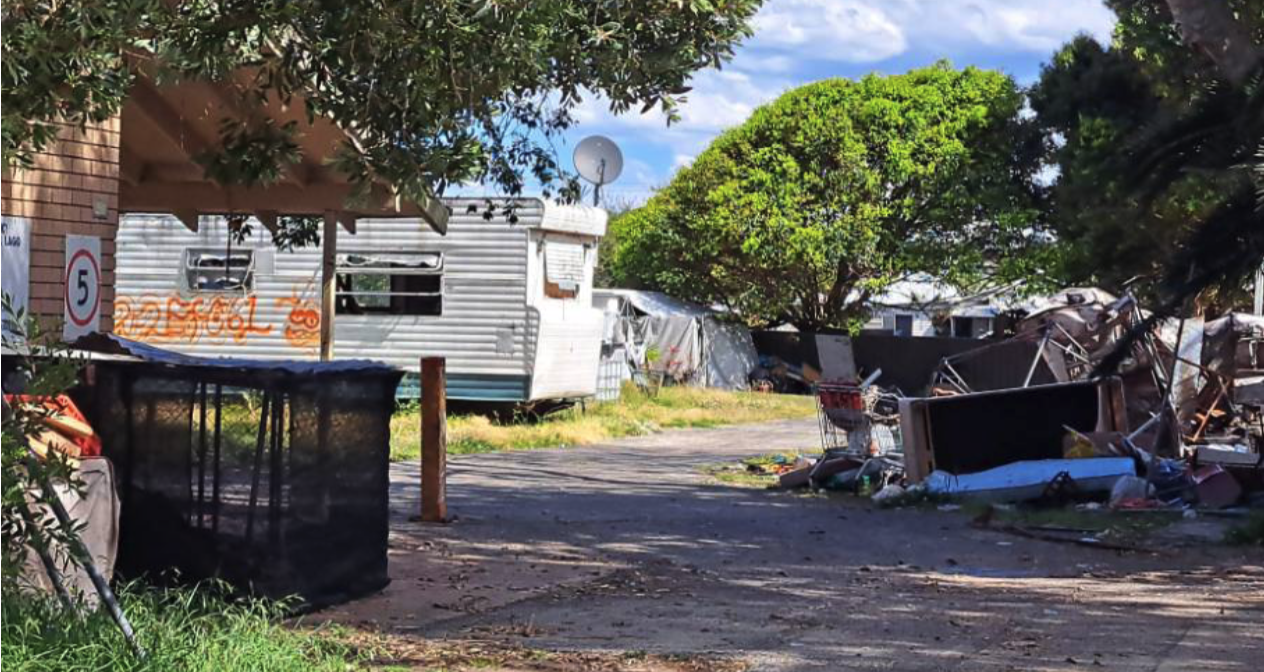
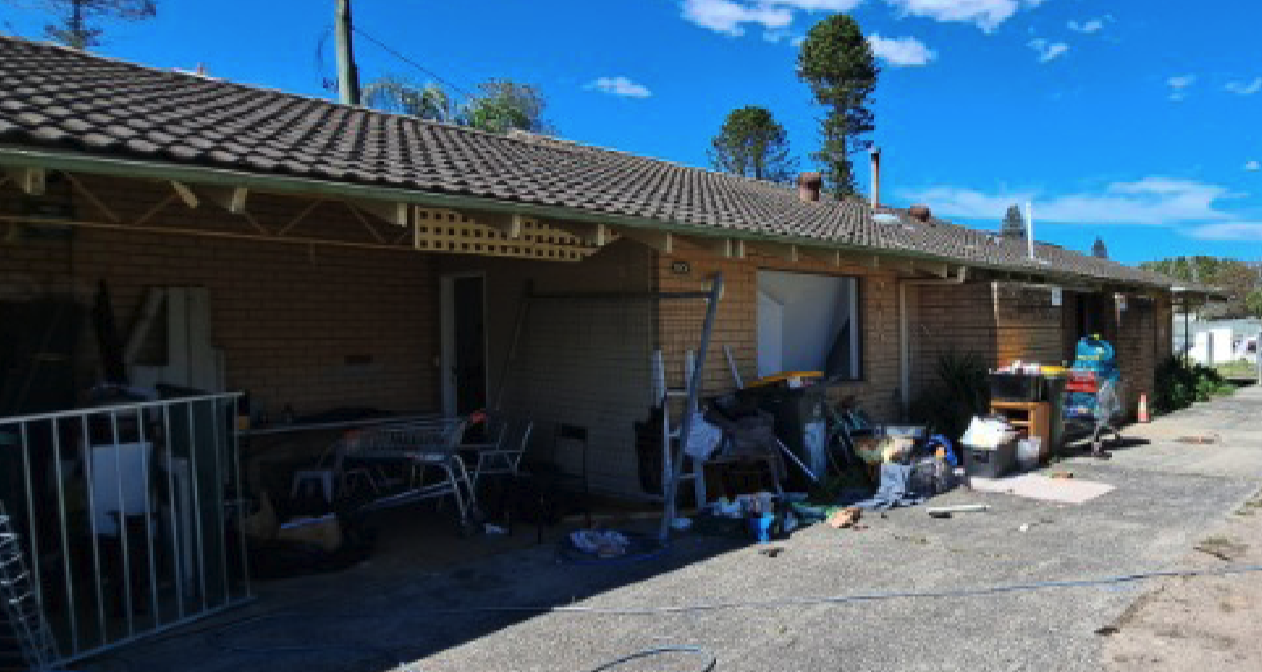
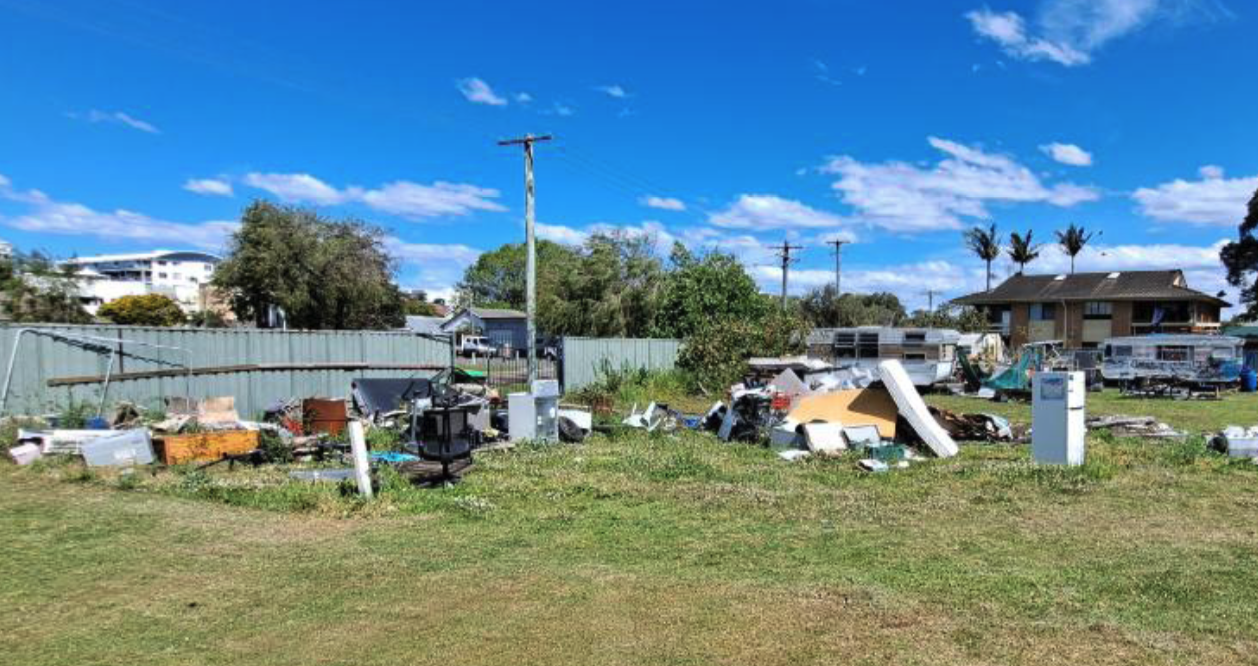
The community grounds and amenities were also in a state of neglect and disrepair. At one stage the community office caught on fire and Sarah states that the office and the communal laundry below became off limits from then. None of this deterred vigorous rent collection in full!
Over the course of the next few years Sarah’s prospects of securing better housing felt more more and more elusive. Her housing expectations and resilience wore thin due to the operator’s indifference to their obligations.
“Once I was living there and putting my address on rental application forms I stopped getting the call backs or feedback that I used to get when applying for rental properties.”
Sarah sought the advice and assistance of Central Coast Tenants Advice and Advocacy Service (CCTAAS) in late 2025. They wrote to the operator outlining the issues that needed addressing.
Again there was no response from the operator and a lack of meaningful action on the urgent repairs needed. CCTAAS helped Sarah to apply to NCAT and represented her at the hearing.
NCAT Decides the Matter in the Operator’s Absence
On the day Sarah’s matter was listed for hearing the operator failed to appear and hadn’t filed any evidence in accordance with procedural directions made earlier. The Tribunal determined that in the circumstances and in the interests of justice it was appropriate to proceed with the hearing despite the operator’s absence. The decision was handed down just before the end of 2025.
Like many of the home owners at ‘El Lago’, Sarah and other tenants had entered into agreements which were made verbally. The Tribunal therefore commenced proceedings by first determining the type of agreement she had; whether NCAT had jurisdiction to hear her matter; and which legislation would apply.
Sarah was found to be a tenant covered by the Residential Tenancies Act 2010. Her application was successful in getting both an award of compensation for non-economic loss and a 50% reduction in rent for a specified period of time.
The Tenants’ Union was informed that a number of other tenants were also successful in obtaining orders for compensation and/or rent reductions.
A further order had been sought for the Tribunal to refer her matter to the Commissioner of Fair Trading but the Tribunal declined to do so at the time because it had not considered the operator to be in breach of an order made by the Tribunal.
The Tribunal drew on provisions in the Residential Tenancies Act 2010 which set out:
A landlord’s general obligations, including to provide and maintain the residential premises in a reasonable state of repair (even when the tenant is aware of the state of disrepair before moving in)
The minimum standards for a rental premises to be deemed fit for habitation, and,
The definition of what constitutes an urgent repair.
The Tribunal member provided useful written reasons in the decision, clarifying that the landlord’s obligation to repair arises when they are on notice about a repair issue. The method of notice doesn’t need to be obtained from a tenant making a repair request. Also once on notice, the landlord’s duty to repair is enlivened whether or not the tenant has made a request.
More Efforts Required to Enforce the Operator’s Accountability
Sarah states she has not yet benefited from any of the monetary orders that were made because the operator had lodged an application for those orders to be set aside. A set aside application is often lodged when a party to an NCAT matter states they had a valid reason for not attending the hearing and believe they can show that the decision could be substantially different if they could have been at the hearing. We note that at the time of writing, the operator’s ‘set aside’ application has been refused by the Tribunal however the operator has still not complied with the money orders.
Central Coast Tenants Advice and Advocacy Service has referred tenants in a similar position to their closest Community Legal Centre or otherwise Legal Aid office who can assist them with applying to the local court for enforcement of the money orders.